
Newsletter 19th February 2026
Acknowledgement of Country

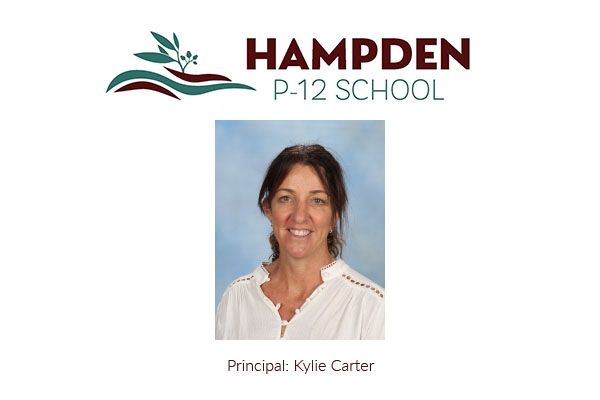
From The Principal
We are nearly mid-term, which is hard to believe, heading into week 5 next week. Our classes have settled in beautifully, with classes displaying enthusiastic, engaged students within the program.
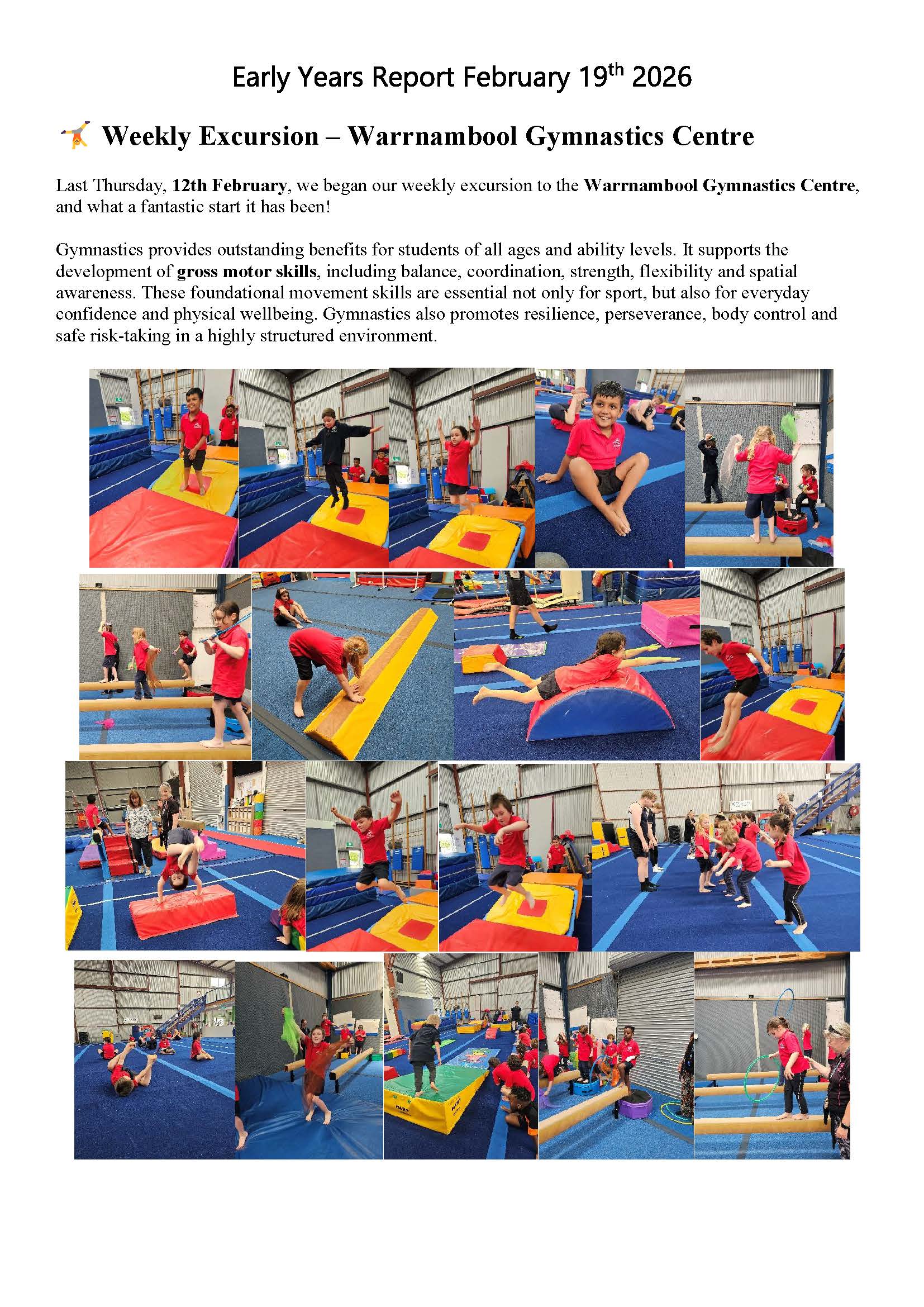
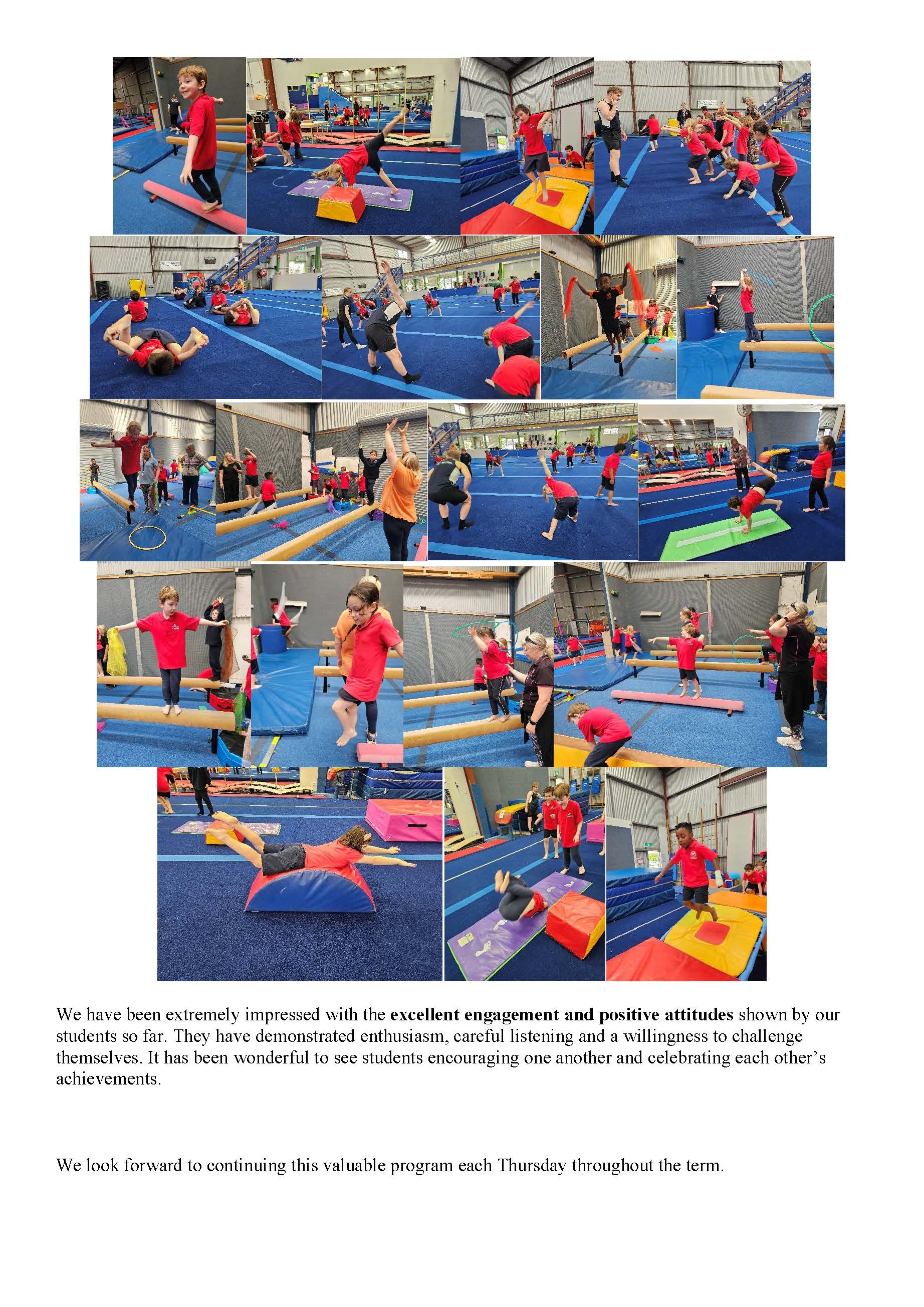
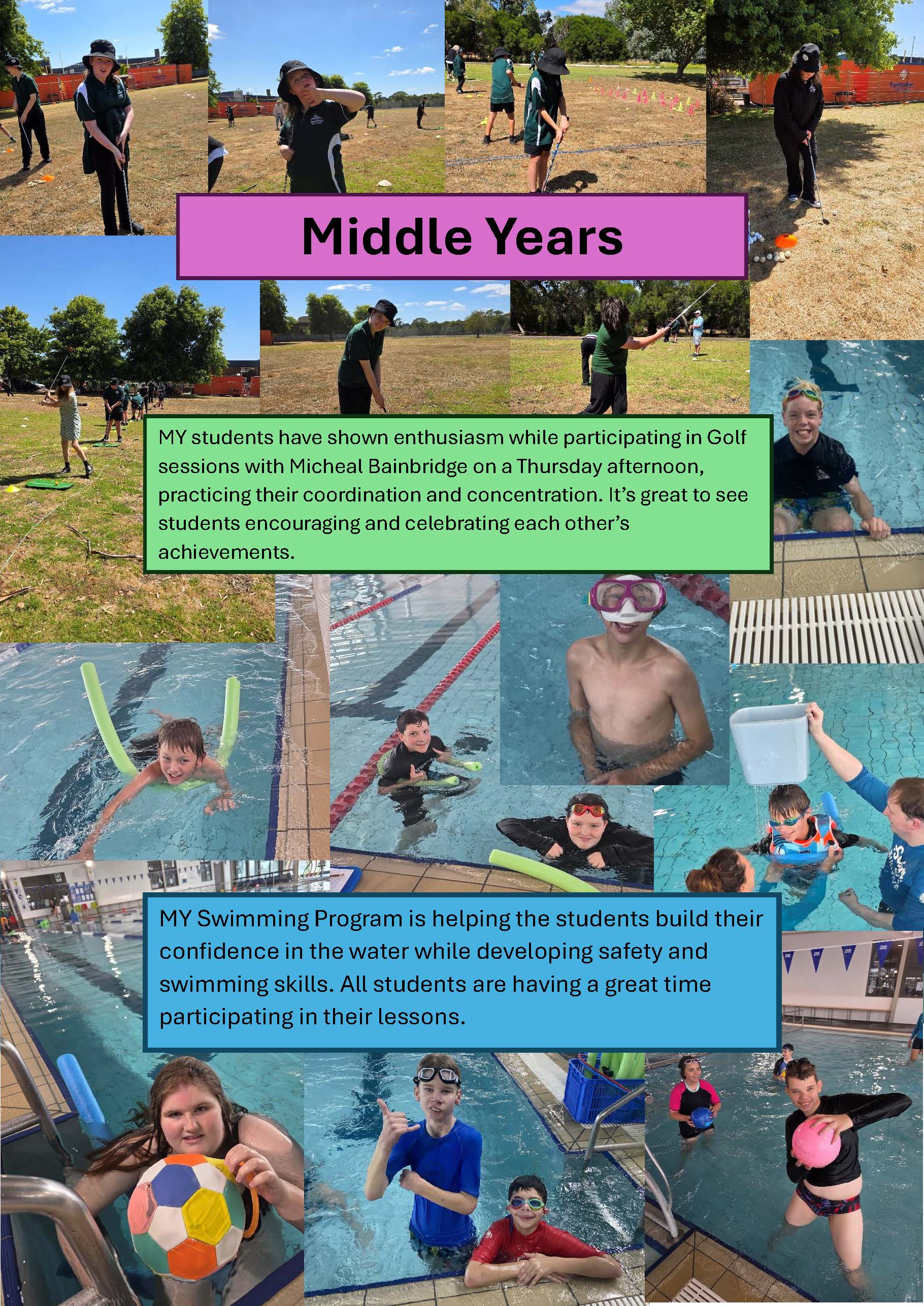
Our swimming and gymnastics programs are in full swing and a selection of our middle years students participating in Dream Cricket in Warrnambool on Friday. These sports give our students the opportunity experience different sports and develop their skills. Swimming continues to be a skill highly valued by our community.
Two of our leaders, Paul and Brad, attended a School Wide Positive Behaviour professional learning day on Monday and came back very energised with many ideas to implement across the school, which will increase our engagement in learning and student outcomes.
Lucy and Lyn were lucky enough to spend Tuesday at Merri River School, learning more about their structured literacy program. Structured Literacy is a focus for our school this year, where we aim to improve students reading and writing.
Staff are busy writing Individual Learning Plans (IEP) for Monday’s Student Support Group Meetings; please make sure you book your interviews through Xuno. If you are having any problems making an appointment, contact the school or your child’s teacher. These interviews allow you time to spend with your child’s teacher discussing learning goals, strengths of your child, and any areas you would like the school to focus on. If possible bring your child along so they can be part of the process.
We welcome all our families to our Welcome BBQ on Thursday 12th March at the campus your child attends from 5-7pm. This gives an opportunity to our families to meet other families that attend the school and enjoy a casual chat with staff.
Take care,
Kylie Carter
Principal
.jpg)

Early Years Report

Middle Years News

Later Years News


Cobden Art Room Update
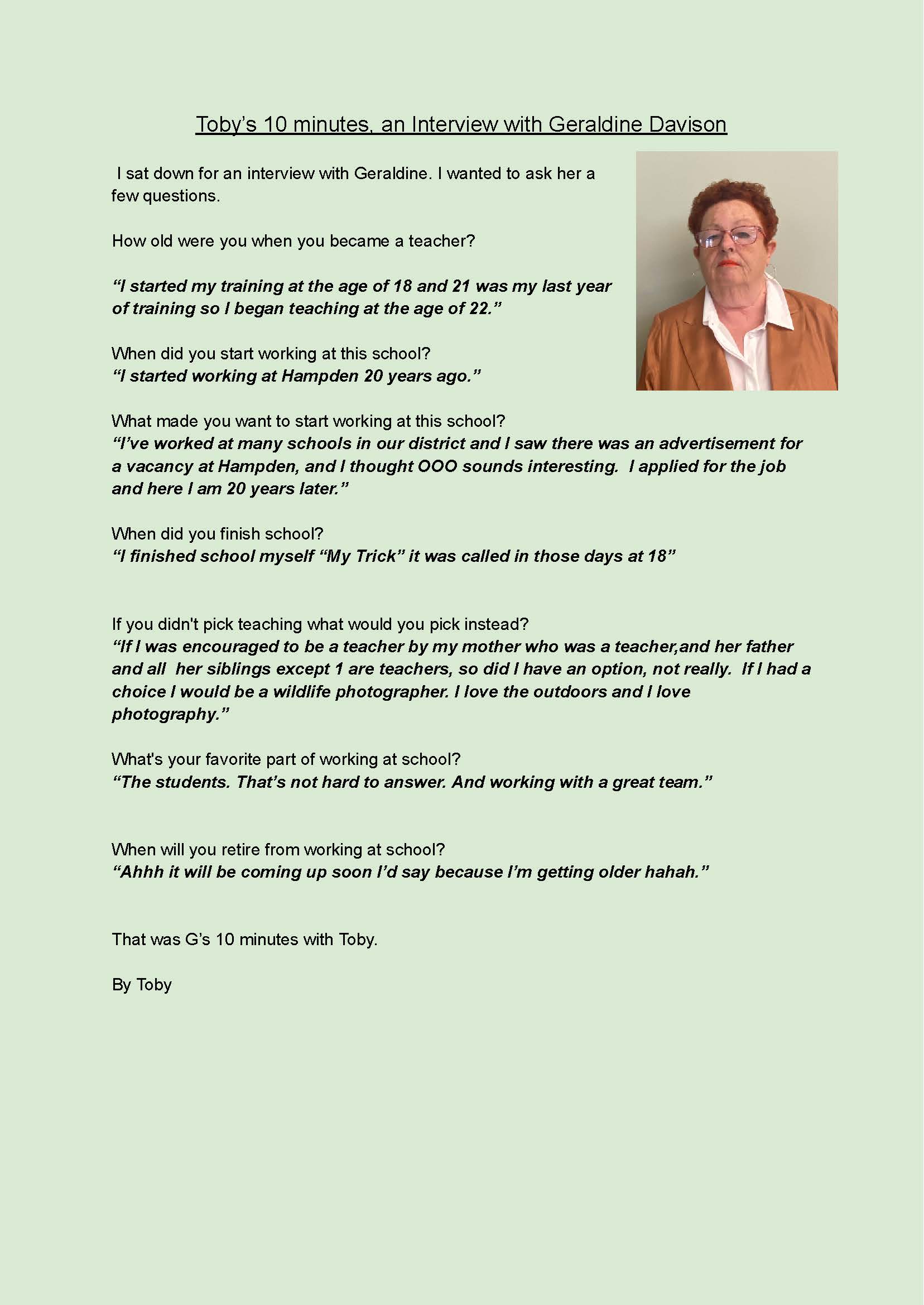
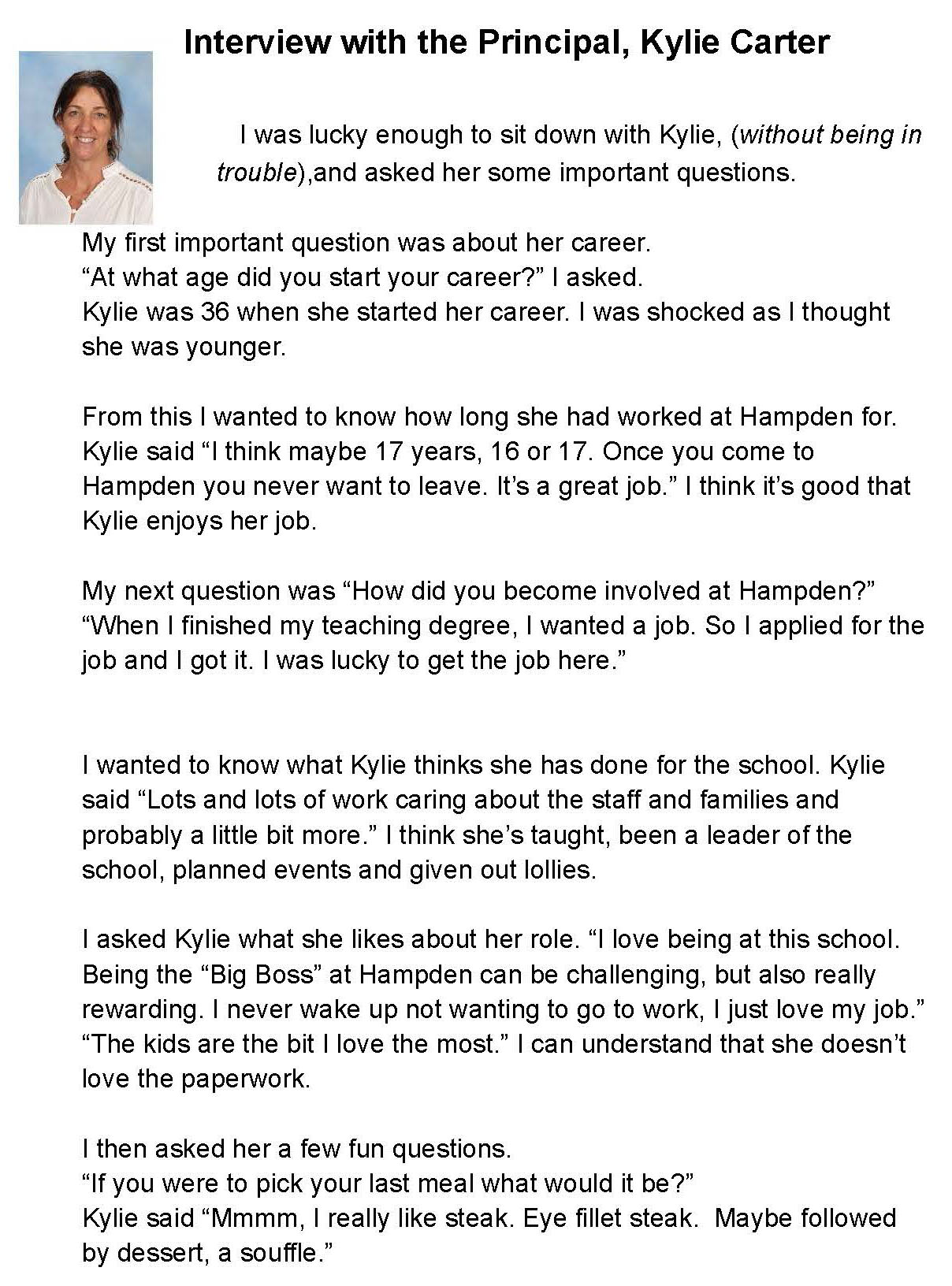
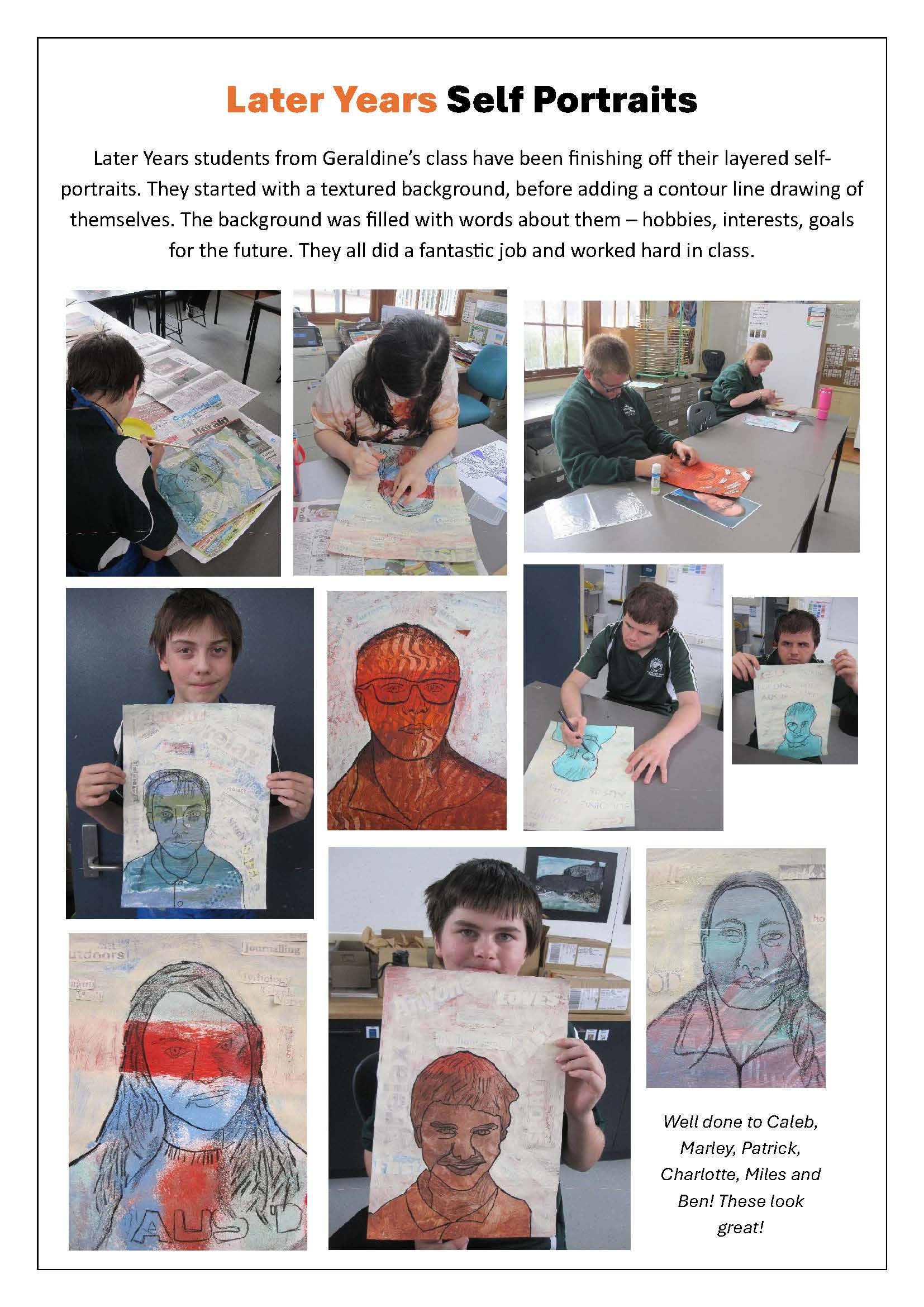
Later Years students from Geraldine’s class have been working on layered self-portraits.
They have all done a fabulous job, well done!
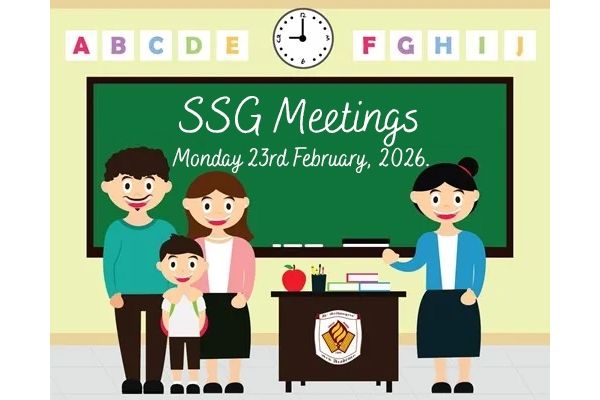
SSG Meetings - Monday 23rd February
The topics that may be discussed at your meeting are:
- IEP Goals
- Assessment results/types of assessments
- Advice on our Numeracy focus
- Information about our Mental Health Practitioner and her role
- Discuss the Tutor learning Initiative if it is suitable for your child
- Timetable: Classes at base school
- Xuno: Signing in and basic use, check if parents need any assistance.
- Behaviour and classroom success’, concerns & management plan
- Attendance
- Misty, our NDIS Navigator has appointments open also on this day, if you need any NDIS assistance.

Welcome Barbecue


School Council Elections - Close 4pm Tomorrow
We have the following vacancies;
- 2 parent positions
- 1 student member positions
- 1 community member position
Self Nomination Parent Category Form
Use this form to nominate yourself.
Parent Category Nomination Form
Use this form to nominate another parent.
The community member position is via co-option. The current School Council Members may wish to choose or elect a member of the community to join School Council. If you know a community member or you would like to know more about this position, please contact Kylie Carter.
.jpg)
What is a school council and what does it do?
All government schools in Victoria have a school council. They are legally constituted bodies that are given powers to set the broad direction of a school, in accordance with Ministerial Order 1280 Constitution of Government School Councils, and the Education and Training Reform Act 2006. In doing this, a school council may directly influence the quality of education for students.
Who is on the school council?
For most primary school councils, there are several possible categories of membership: A mandated elected parent member category – more than one-third of the total members must be from this category. Department employees can be parent members at their child’s school providing that they are not engaged in work at the school. A mandated elected school employee member category – members of this category make up no more than one-third of membership. The principal of the school is automatically one of these members. An optional community member category – members are co-opted by a decision of the council because of their special skills, interests or experience. Department employees are not eligible to be community members. A small number of school councils have nominee members.
For all schools with a Year 7 and above cohort, there is an additional category of membership: A mandated elected student member category, two positions.
Generally, the term of office for all members is two years. The term of office of half the members expires each year, creating vacancies for the annual school council elections.
Why is parent membership so important?
Parents on school councils provide important viewpoints and have valuable skills and a range of experiences and knowledge that can help inform and shape the direction of the school.
Those parents who become active on a school council find their involvement satisfying and may also find that their children feel a greater sense of belonging.
Do I need special experience to be on school council?
Each member brings their own valuable skills and knowledge to the role, however, in order to successfully perform their duties, councillors may need to gain some new skills and knowledge.
It is important to have an interest in your child’s school and the desire to work in partnership with others to help shape the school’s future.
Code of conduct for school councillors
School councils in Victoria are public entities as defined by the Public Administration Act 2004.
School councillors must comply with the Code of Conduct for Directors of Victorian Public Entities issued by the Victorian Public Sector Commission. The Code of Conduct is based on the Victorian public sector values and requires councillors to: act with honesty and integrity – be truthful, open and clear about their motives and declare any real, potential or perceived conflict of interest and duty act in good faith in the best interests of the school – work cooperatively with other councillors and the school community, be reasonable, and make all decisions with the best interests of students foremost in their minds act fairly and impartially – consider all relevant facts of an issue before making a decision, seek to have a balanced view, never give special treatment to a person or group and never act from self-interest use information appropriately – respect confidentiality and use information for the purpose for which it was made available exercise due care, diligence and skill – accept responsibility for decisions and do what is best for the school use the position appropriately – not use the position as a councillor to gain an advantage act in a financially responsible manner – observe all the above principles when making financial decisions comply with relevant legislation and policies – know what legislation and policies are relevant for which decisions and obey the law demonstrate leadership and stewardship – set a good example, encourage a culture of accountability, manage risks effectively, exercise care and responsibility to keep the school strong and sustainable.
Indemnity for school council members
School councillors are indemnified against any liability in respect of any loss or damage suffered by the council or any other person in respect of anything necessarily or reasonably done, or omitted to be done by the councillor in good faith in:
a. the exercise of a power or the performance of a function of a councillor, or
b. the reasonable belief that the act or omission was in the exercise of a power or the performance of a function of a council.
In other words, school councillors are not legally liable for any loss or damage suffered by council or others as a result of reasonable actions taken in good faith.
How can you become involved?
By participating in, and voting in the school council elections, which are held in Term 1 each year. However, ballots are only held if more people nominate as candidates than there are positions vacant.
In view of this, you might consider: standing for election as a member of the school council encouraging another person to stand for election.
What do you need to do to stand for election?
The principal will issue a Notice of Election and Call for nominations in Term 1 of each year. Council elections must be completed by 31 March, unless varied by the Minister for Education.
If you stand for election, you can arrange for someone to nominate you as a candidate or, you can nominate yourself in the parent member category. You can only be nominated by another member of the same electorate that you are eligible for (e.g. a member of the parent electorate may only nominate another parent of that electorate)
Department employees with a child enrolled at a school where they are not engaged in work, are eligible to nominate for parent membership at that school.
Return your completed nomination form to the principal within the time stated on the Notice of Election. You will receive a Nomination Form Receipt via post, email or by hand delivery.
Generally, if there are more nominations than vacancies a ballot will be conducted in the two weeks after the call for nominations has closed.
Remember
Consider standing for election to school council. Ask the principal for instructions if you are not sure what to do. Be sure to vote if the election goes to ballot. Contact the principal if you are unsure about what is required at any stage of the election process.

Online Saftey
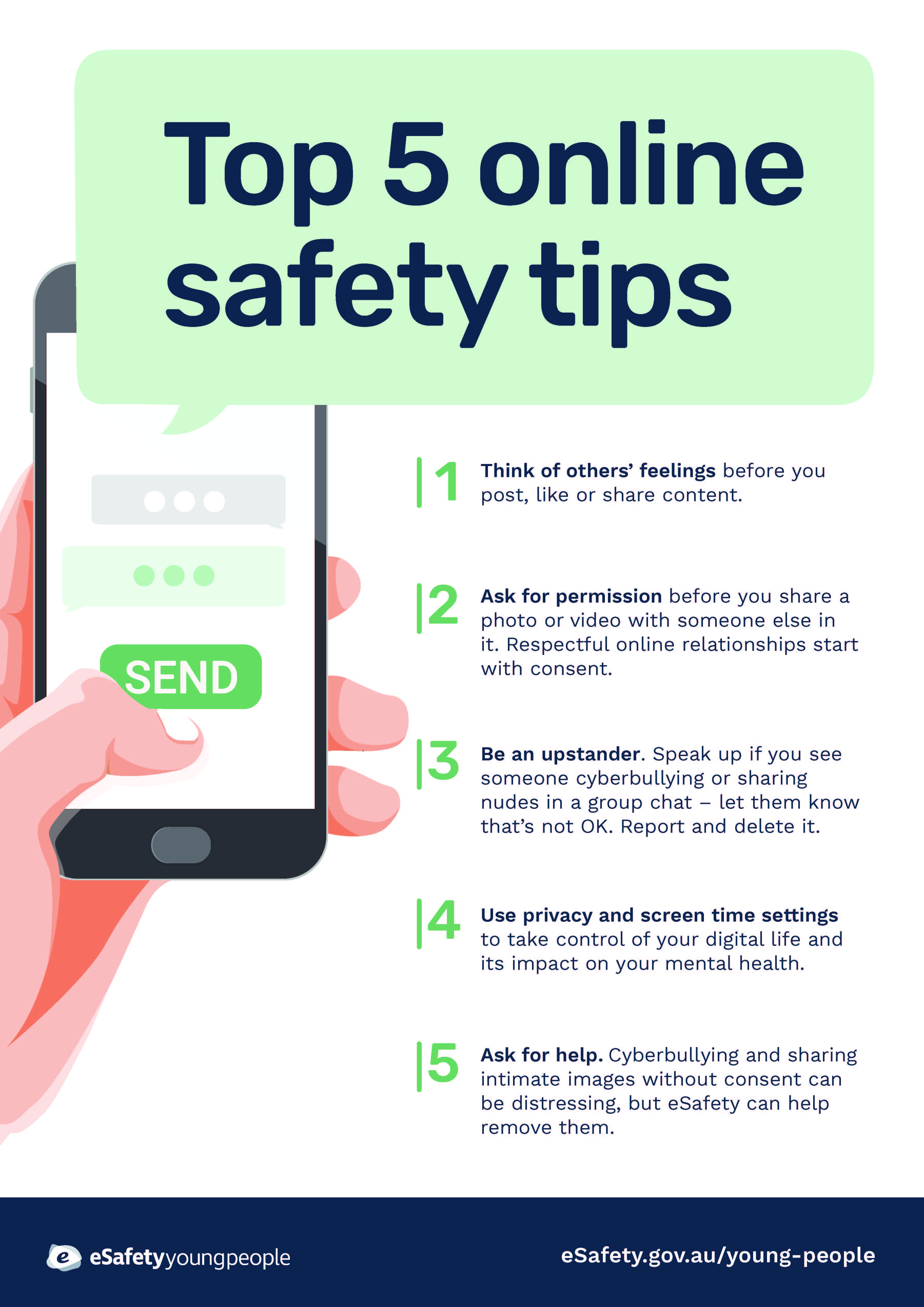
Hampden p-12is committed to helping students develop the knowledge, skills and attitudes to be safe and respectful users of technology. . We are also aware that students’ online experiences often move seamlessly between school and home, and are therefore aiming to develop, with your support, a whole-of-community approach to keeping our students safe online
Reporting when something goes wrong online
If your child experiences something harmful online such as cyberbullying, image-based abuse or illegal and restricted content, you can report it directly to the social media service, game, app or website where the incident occurred. Often young people will need the support of an adult to report. The eSafety Commissioner (eSafety.gov.au) advises taking the following steps
1. Collect evidence before reporting to the platform or taking other action. If the issue is ongoing, make sure you collect screenshots showing what has been happening and for how long.
2. Report to the platform where it happened. Use The eSafety Guide to help you. After you report, the service may remove the content straight away. They may also block those responsible or delete their account. If the post involves something illegal like grooming, they may refer it to law enforcement or another agency to take further action.
3. If the platform does not take action, you or your child can report it to eSafety. eSafety will ask you to complete an online reporting form and include evidence.
Back-to-school messaging
With the 2026 school year upon us, now is the perfect time to have conversations with your children about online safety
. The eSafety Commissioner (eSafety.gov.au) has practical resources to help with hard-to-have conversations, information for children under 5 and cyberbullying.
Online gaming Online
Gaming provides children with lots of opportunities for skill development, beneficial play, creativity, self-expression, belonging, and social connection. To make sure they get the most out of gaming, parents and carers also need to help them build skills to navigate risks and put in safeguards. Regardless of the console or device they use, what type of game they play, if they play alone or with others, or how often they play, it is important to understand your child’s unique gaming experience.
Playing online games with your children is a great way to learn more about their interests, while also developing a greater understanding of how they interact and communicate with others online. When adults get involved in positive ways it can also strengthen family relationships and enable families to manage conflict about gaming in more productive ways.
For more information on gaming and simple tips for how you can make this a safer and more positive experience, go to the parent's page of eSafety Commissioner's website. The eSafety Commissioner also has an eSafety Guide (eSafety.gov.au/esafety-guide) which includes the latest games, apps and social media, with information on how to apply safety and privacy settings, whether there are any risky digital features, and how to report abuse or other harmful behaviour.
Apps and games
For many parents and carers, the clock is TikToking for when you might get asked by your child if they can go on social media or play games online.
These are tough calls for parents and carers, and especially those of our generation who don’t necessarily understand the increasingly important role digital environments play in the social lives and identity development of our children.
The eSafety Commissioner (eSafety.gov.au) website provides a range of advice to navigate this often-challenging area for families.
- Learn more about apps and games by viewing The eSafety Guide.
- Understand your child’s gaming experience by having conversations, watching or playing together.
- Talk with other parents and carers from school. This could be a good opportunity to learn more about how their children use an app or game and strategies to manage the technology. eSafety.gov.

2026 Terang Fun Run & Walk


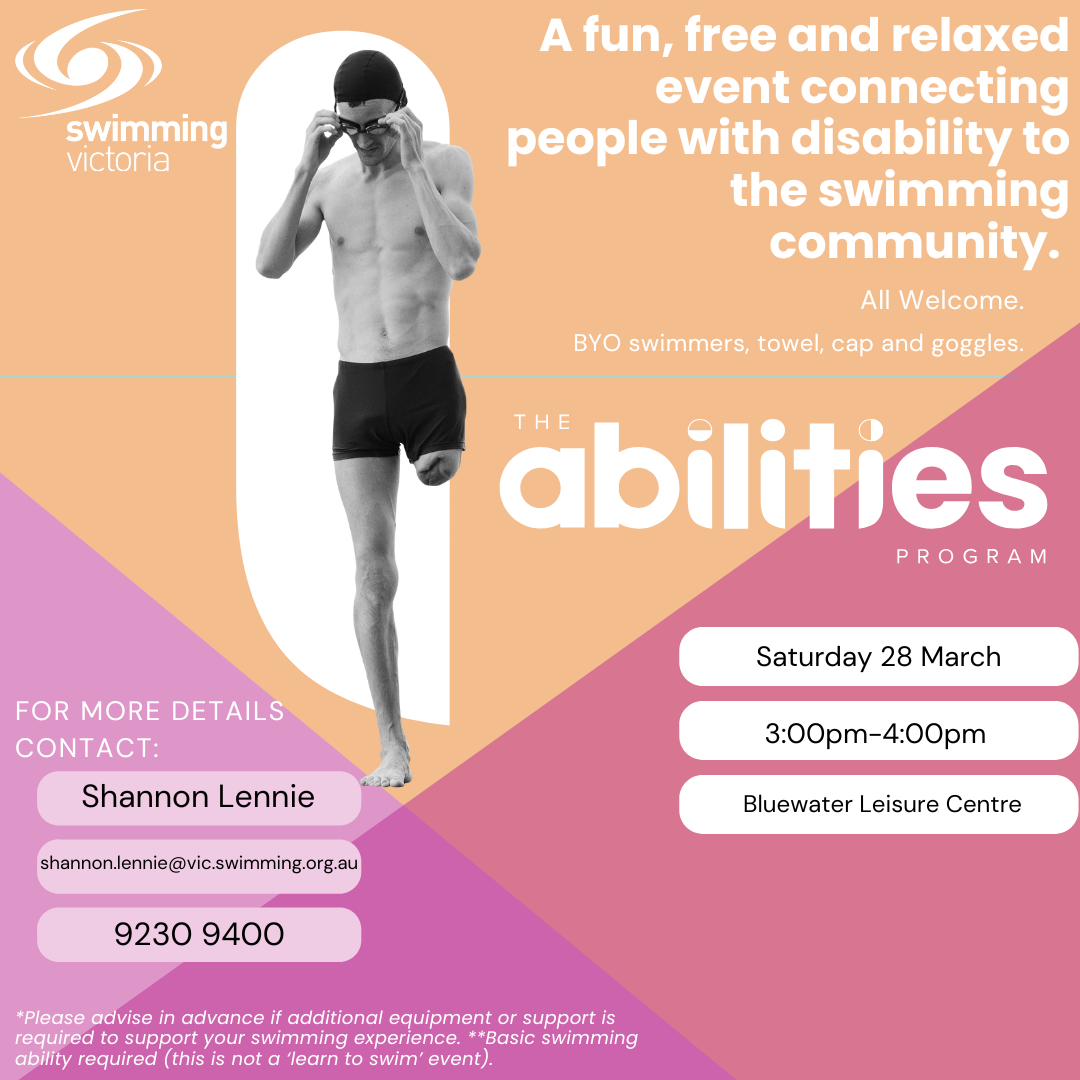
Swimming Clinics At Bluewater Leisure Center